
Defining a comprehensive commercial snow removal service contract involves outlining precise scope (plowing, salting), performance standards, liability, and pricing structures. Clear communication, detailed service expectations, and robust safety protocols ensure client trust and satisfaction, minimizing disputes and disruptions during winter seasons. Competitive pricing balanced with operational costs and client needs fosters loyalty and enhances the service's reputation.
In regions with significant snowfall, a reliable commercial snow removal service is not just a convenience but a necessity for businesses to maintain operations and ensure safety. However, crafting a comprehensive contract that protects both the service provider and clients can be challenging. This article guides you through establishing a robust framework for your commercial snow removal contracts. We’ll outline essential clauses, legal considerations, and best practices to create a bulletproof agreement that minimizes risks and ensures mutual benefit, allowing you to focus on delivering safe, unobstructed access during winter’s harshest storms.
- Define Scope & Services for Commercial Snow Removal Service
- Craft Clear Terms & Conditions to Protect Your Business
- Establish Competitive Pricing Strategies for Snow Removal
- Implement Effective Communication and Safety Protocols
Define Scope & Services for Commercial Snow Removal Service
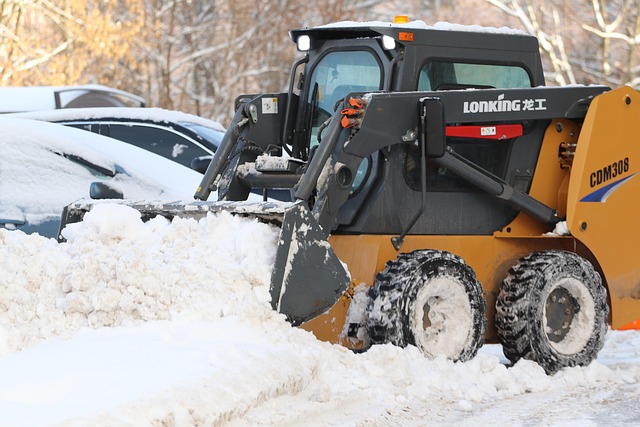
Defining the scope and services of your commercial snow removal service is a critical step in creating a robust contract. This component sets clear expectations for both parties involved, ensuring a mutually beneficial agreement. A comprehensive scope should encompass all aspects of snow management, from initial assessment to post-removal maintenance. For instance, it might include regular monitoring of weather forecasts to anticipate potential storms and proactive salting or sanding strategies to prevent ice buildup.
The services offered should be detailed and tailored to meet the specific needs of your commercial clients. This could involve plowing and snow blowing for parking lots, access roads, and loading docks; salting and sanding to improve traction; and snow stacking to create designated storage areas. For example, a contract with a retail center might specify regular plowing of all entrances and exits during heavy snowfall, while an office complex may require a more nuanced approach, focusing on accessibility for disabled personnel and emergency vehicles.
When drafting your commercial snow removal service contract, ensure that the scope and services are clearly outlined in simple language, avoiding legal jargon where possible. Include specific performance standards, response times, and safety protocols. For instance, you might specify a 24-hour response time during severe weather events or mandate adherence to local environmental guidelines for meltwater management. Regular communication and client feedback should also be encouraged to ensure the service meets their evolving needs.
According to industry data, well-defined contracts with clear scope and service provisions can lead to reduced disputes and increased client satisfaction. By outlining expectations early, you create a framework that allows your commercial snow removal service to efficiently manage operations, minimize disruptions, and maintain high-quality service standards throughout the winter season.
Craft Clear Terms & Conditions to Protect Your Business

Creating a robust contract for your commercial snow removal service is non-negotiable—it’s your shield against legal pitfalls and key to fostering trust with clients. Clear, detailed terms and conditions are essential to protect both your business and your customers. Start by defining the scope of work precisely; specify exactly what services are included (plowing, salting, snow removal, etc.), working hours, response times, and any additional charges for exceptional weather events or after-hours service.
Go beyond basic descriptions and include specific performance standards. For instance, set expectations for snow depth removal goals, plowing patterns, and salting application rates based on industry best practices. This provides measurable criteria for performance evaluation and offers recourse if the client’s expectations are not met. Furthermore, address liability and insurance requirements clearly. Ensure your contract stipulates who is responsible for insurance coverage—both parties need protection against property damage or personal injury claims that may arise during snow removal operations.
Consider including clauses addressing termination, payment schedules, and dispute resolution mechanisms. Define circumstances under which the contract can be terminated early by either party, with clear notice periods. Outline payment terms clearly, detailing when and how invoices are generated, accepted, and disputes resolved. A well-crafted contract not only safeguards your commercial snow removal service but also demonstrates professionalism, fostering lasting relationships with clients who value transparency and trust.
Establish Competitive Pricing Strategies for Snow Removal
Setting competitive pricing for a commercial snow removal service is an art and science. It involves understanding market dynamics, factoring in operational costs, and ensuring your rates not only cover expenses but also attract and retain clients. A robust pricing strategy not only drives profitability but also positions your service as a reliable and value-driven solution for business owners concerned about their premises during winter months.
Start by conducting thorough research into local commercial snow removal market rates. This involves analyzing competitors’ pricing structures, studying industry reports, and gathering data on average snow removal costs in your region. Tools like the Better Business Bureau (BBB) or online platforms offering side-by-side comparisons can be invaluable resources. Keep in mind that factors like service scope, frequency of removal, and urgency will significantly influence pricing. For instance, a service offering 24/7 emergency snow melting and removal may command higher rates than a basic, scheduled removal service.
Next, meticulously calculate your operational costs. This includes equipment maintenance and depreciation, labor expenses, insurance, permits, and any necessary safety gear. Consider the variety of services you offer; specialized tasks like ice removal or salt application might warrant premium pricing. For instance, if you provide comprehensive snow management solutions, including snow plowing, salting, de-icing, and snow melting systems installation, your rates can reflect the expanded service spectrum. Regularly reviewing and adjusting your pricing based on these costs ensures sustainability and competitiveness.
Finally, strike a balance between attracting clients and maintaining profitability. Offer competitive pricing without compromising quality or service levels. Consider tiered pricing models that cater to various customer segments – for example, discounts for long-term contracts or volume-based pricing for larger properties. Flexibility and adaptability are key; be open to negotiating rates for substantial, long-term commitments. Remember, a satisfied client base that appreciates your reliable and efficient commercial snow removal service will not only ensure repeat business but also serve as a powerful referral source.
Implement Effective Communication and Safety Protocols
Creating a robust commercial snow removal contract involves integrating clear communication channels and safety protocols to ensure smooth operations during winter months. Effective communication is paramount; define expectations early through detailed contracts. Specify services, timing, and response rates clearly. For instance, stipulate that your commercial snow removal service will clear all entrances, exits, and parking lots within a specified timeframe after snowfall begins. This transparency builds trust with clients.
Implementing safety protocols is equally crucial to mitigate risks for both employees and customers. Include provisions on equipment maintenance, employee training, and safety gear use. For example, mandate regular inspections of snow removal equipment to ensure optimal performance and safety. Provide comprehensive training on safe lifting techniques, proper use of snow blowers, and identification of potential hazards. Ensure all workers are equipped with high-visibility clothing, helmets, and gloves. These measures not only protect individuals but also demonstrate your commitment to excellence and client safety.
Data supports the importance of robust communication and safety measures. According to a study by the National Safety Council, winter weather contributes to nearly 25% of all fatal work injuries in the U.S. annually. By proactively addressing these aspects, you can significantly reduce risks and enhance your commercial snow removal service’s reputation. Regularly review and update protocols based on industry best practices and client feedback, ensuring adaptability to changing conditions and maintaining a competitive edge.