
Defining commercial snow removal contract scope involves precise geographic area details, response times, and equipment specifications. Robust legal protections, including indemnity clauses, safeguard against liabilities. Pricing strategies balance competitiveness with profitability, utilizing tiered packages and historical weather data. Performance benchmarks, based on industry standards, ensure quality service, tracked through regular inspections and reviews.
In the demanding landscape of commercial snow removal services, establishing a robust contractual framework is paramount to safeguard operations, mitigate risks, and ensure mutual protection for both businesses and clients. The challenges are multifaceted: unpredictable weather patterns, varying service demands, and the need to balance cost-effectiveness with comprehensive coverage. This authoritative guide navigates these complexities, providing an in-depth exploration of how to craft a bulletproof commercial snow removal contract that addresses critical areas such as service scope, pricing structures, liability considerations, and performance standards. By adopting best practices outlined herein, operators can foster long-term client relationships while safeguarding their interests.
- Define Scope: Establish Clear Expectations for Commercial Snow Removal Service
- Legal Protections: Crafting Indemnity Clauses for Your Peace of Mind
- Pricing Strategies: Structuring Fees for Effective Commercial Snow Management
- Performance Benchmarks: Ensuring Quality Through Contractual Agreed-Upon Standards
Define Scope: Establish Clear Expectations for Commercial Snow Removal Service
Defining the scope of a commercial snow removal contract is a critical first step to establishing clear expectations for both the service provider and the client. This process ensures that every party involved understands the services rendered, areas covered, and specific responsibilities attached. A well-defined scope prevents misunderstandings, reduces disputes, and fosters a collaborative relationship throughout the winter season.
When drafting the contract, specify the geographic area to be cleared of snow and ice. For instance, if a commercial property spans multiple parking lots or entrances, delineate each area precisely. Consider including details on sidewalk shoving, road maintenance, and any specialized services like salt or sand application. For example, a contract might outline that the service provider is responsible for clearing all parking lots and entrance ways, as well as 50 feet of each side of public sidewalks leading into the property.
Furthermore, detail response times and frequency of visits. Commercial snow removal services often require rapid response to weather changes, so stipulate expected timeframes for initial plowing after a storm and subsequent visits during prolonged periods of accumulation. A practical example could be agreeing that the service provider must begin plowing within two hours of a snowfall warning and visit each site at least twice daily while conditions persist.
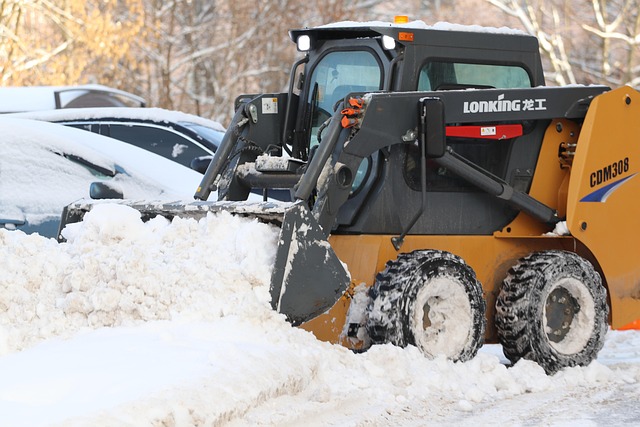
Lastly, address equipment and safety standards. Outline the type and quality of equipment expected to be used and any relevant industry certifications required for operators. For commercial properties with unique challenges, such as narrow passageways or tight corners, specify specialized equipment capable of navigating these spaces safely.
Legal Protections: Crafting Indemnity Clauses for Your Peace of Mind

When drafting a commercial snow removal contract, legal protections are paramount. Indemnity clauses, specifically, offer crucial shield against potential liabilities. These clauses stipulate that one party—typically the service provider—agrees to hold harmless and defend the other party from claims, damages, or losses arising from their services. For instance, if a client sues due to property damage caused by your commercial snow removal service during a clearance operation, an effective indemnity clause would cover legal costs and potential compensation.
Crafting these clauses requires meticulous consideration. They should clearly define the scope of work, identify specific risks, and spell out obligations for both parties. For example, you might include language stating that the service provider is responsible for any harm caused by their equipment or personnel during snow removal. It’s also essential to specify exclusions; some common examples are damage resulting from acts of God or pre-existing conditions. Remember, clarity and specificity are key.
Moreover, consider including a hold harmless agreement that requires clients to indemnify the service provider for claims arising from their premises or use of the service. This two-way protection ensures mutual understanding and legal security. Data supports the importance of such clauses; according to a 2020 study by the National Snow Removal Association, indemnification provisions significantly reduced litigation risks for snow removal companies. By meticulously crafting these protections, you can confidently offer your commercial snow removal services with peace of mind.
Pricing Strategies: Structuring Fees for Effective Commercial Snow Management

Pricing commercial snow removal services effectively is a delicate balance between maximizing revenue and remaining competitive. A well-structured pricing strategy ensures sustainability and profitability while attracting clients who value reliable, high-quality service. Unlike residential contracts, commercial agreements often involve larger areas, frequent snow accumulation, and specialized equipment, necessitating a tailored approach.
One proven method is to implement tiered pricing based on the scope of work and client needs. For instance, a basic package might cover small parking lots or entryways with occasional snowfall, while premium services cater to expansive campus-style properties with heavy snowfall demands. This stratification allows for flexibility, enabling you to adjust resources and labor accordingly. Consider charging by the square foot or acre, especially for large-scale projects, as it provides a clear metric for both parties. Historical weather data can be employed to forecast snow events, helping you set realistic expectations and prices.
Additionally, consider offering seasonal contracts with discounted rates for long-term commitments. This strategy encourages loyalty and stabilizes cash flow during unpredictable winter months. For instance, a 10% discount on annual contracts could be appealing to commercial clients, fostering a mutually beneficial relationship. Regularly reviewing and adjusting pricing based on market conditions, operational costs, and client feedback is essential for staying competitive and profitable in the commercial snow removal service industry.
Performance Benchmarks: Ensuring Quality Through Contractual Agreed-Upon Standards

Performance benchmarks are a cornerstone of crafting a robust commercial snow removal contract. These agreed-upon standards ensure quality service delivery by clearly defining expectations for both parties. When drafting these, consider specific metrics such as response time to storms, snow clearance rates, and equipment maintenance records. For instance, contractual obligations might specify a 2-hour response time during heavy snowfall events and an average clearance rate of 80% within four hours post-storm.
Such benchmarks should be data-driven, drawing from industry averages and historical performance data when possible. One study found that efficient snow removal teams typically clear 75-90% of snow within six hours. Adopting these figures as contractual standards can help maintain consistent service quality across seasons. Moreover, including regular equipment inspections and maintenance schedules ensures reliable operation during peak demand periods.
Regular performance reviews are vital to upholding benchmark adherence. Monthly or quarterly assessments allow for tracking progress, identifying areas of improvement, and making data-backed adjustments to the contract. This proactive approach fosters a culture of continuous enhancement within the commercial snow removal service, ensuring customer satisfaction throughout each winter season. By implementing these rigorous performance benchmarks, you create a framework that guarantees exceptional service quality and fosters long-term partnerships.