
A commercial snow removal company's success hinges on understanding snowfall patterns. This involves analyzing historical data for trend prediction, optimizing route planning, and adapting to changing conditions like warmer winters increasing ice events. Equipment selection ranges from basic tools for smaller areas to advanced machinery for larger spaces, with safety as a top priority. Specialized training and equipment enhance worker safety, and prompt sidewalk clearing prevents ice buildup, improving accessibility and reducing legal risks. Commercial companies offer efficient solutions for heavy snowfall, allowing property managers to focus on other tasks.
In many regions, efficient sidewalk snow removal is a year-round concern, especially for businesses facing potential liability issues and customer dissatisfaction during snowy seasons. Negligent clearance can lead to hazardous ice and snow accumulations, posing risks to pedestrians and your company’s legal standing. Commercial snow removal companies play a vital role in mitigating these risks, offering specialized services that ensure safe, prompt, and effective clearing strategies tailored to diverse business needs. This article provides essential tips for optimal sidewalk snow removal, empowering property managers and business owners to make informed decisions.
- Understanding Snowfall Patterns for Effective Planning
- Tools and Equipment: What You Need for Efficient Removal
- Safety First: Strategies to Prevent Injuries During Clearing
- Best Practices and When to Call a Commercial Snow Removal Company
Understanding Snowfall Patterns for Effective Planning
Understanding snowfall patterns is a strategic advantage for any commercial snow removal company aiming to deliver efficient services. Seasonal variations in weather play a significant role in determining the frequency and intensity of snowfalls, dictating preparation and resource allocation strategies. For instance, regions with frequent, light dustings may require daily maintenance, while areas experiencing rare but heavy blizzards necessitate contingency plans for rapid response.
Historical data analysis offers valuable insights. Examining past snowfall records helps predict future trends, enabling proactive planning. A commercial snow removal company might note that certain neighborhoods experience more accumulation on the north side of buildings due to wind patterns, requiring targeted clearing strategies. Understanding these local microclimates ensures optimized routes and equipment deployment, minimizing service time and maximizing cost-efficiency.
Further, long-term weather forecasts allow for adaptive planning. As seasons change, so do snowfall characteristics. By staying informed about emerging trends, snow removal professionals can anticipate challenges and prepare accordingly. For example, a shift towards warmer winters might reduce overall snow accumulation but increase the risk of ice events, necessitating the acquisition of specialized equipment to address these new conditions. This forward-thinking approach ensures the company remains agile and competitive in an ever-evolving operational landscape.
Tools and Equipment: What You Need for Efficient Removal

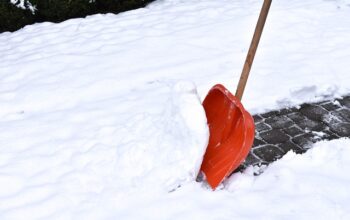
Effective sidewalk snow removal requires the right tools and equipment to efficiently clear paths and maintain safe passage. A commercial snow removal company often relies on a combination of specialized machinery and manual labor, tailoring their approach based on the size and scope of the area. For smaller residential properties, basic tools like shovels, push brooms, and salt or sand spreaders are essential. Shovels facilitate quick clearing, while brooms help sweep away residual snow and ice. Salt and sand act as de-icing agents, enhancing traction and safety.
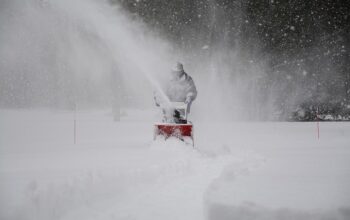
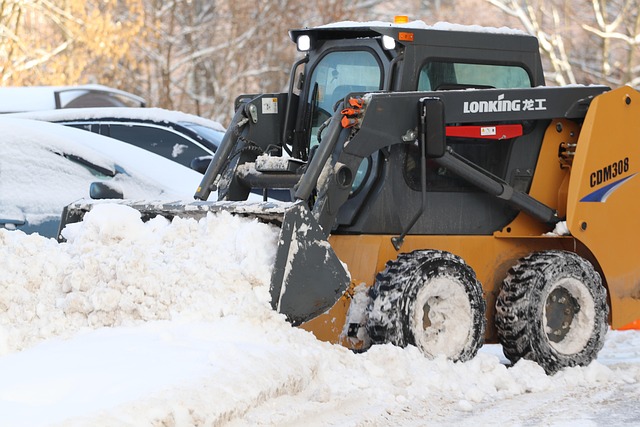
For larger commercial spaces or heavily trafficked areas, investing in more advanced equipment pays dividends. Snow blowers, both gas and electric models, significantly expedite clearing and are particularly effective for deep snow. These machines can handle large volumes of snow with minimal effort, ensuring faster response times during storms. Additionally, truck-mounted plows attached to SUVs or pickup trucks are ideal for wider sidewalks and parking lots. Such equipment allows for efficient snow removal while minimizing the risk of injury to workers.
Beyond machinery, proper protective gear is indispensable. This includes heavy-duty gloves, waterproof boots, and high-visibility vests for safety during operation. Regular maintenance and calibration of equipment also ensure optimal performance. For instance, keeping snow blowers well-oiled and replacing worn-out parts prevents breakdowns and extends the lifespan of the machinery. A commercial snow removal company that prioritizes these aspects can offer timely, effective services, ensuring safe and accessible sidewalks for businesses and residents alike.
Safety First: Strategies to Prevent Injuries During Clearing

When it comes to sidewalk snow removal, prioritizing safety is paramount, especially for those who clear paths professionally. A commercial snow removal company understands this critical aspect better than most. Every year, countless injuries are sustained due to improper handling of snow and ice, highlighting the need for robust safety strategies. These protocols not only protect individuals but also ensure compliance with legal obligations, shielding businesses from potential liability.
One of the primary concerns is the risk of slips and falls. To mitigate this, it’s essential to use specialized equipment designed for efficient yet safe clearing. This includes snow blowers with anti-slip handles and ice scrapers with ergonomic designs that reduce fatigue and the chance of accidents. Additionally, proper training in the use of such tools is imperative. A commercial snow removal company invests in regular training sessions to familiarize their staff with the latest safety techniques and equipment, ensuring a safer work environment.
Beyond equipment and training, establishing clear communication protocols is vital. In busy urban areas where commercial snow removal services operate, coordination among team members is key. Effective communication ensures that everyone is aware of changing conditions and potential hazards, allowing for swift adjustments to clearing strategies. For instance, signaling systems or walkie-talkies can be employed to alert others about treacherous ice patches or narrow passageways, preventing accidents and facilitating safer snow removal.
Best Practices and When to Call a Commercial Snow Removal Company
When it comes to efficient sidewalk snow removal, adopting best practices is paramount to ensure safety, maintain accessibility, and prevent costly damages. One of the most effective strategies is to act swiftly after snowfall ends. Prompt clearance minimizes ice buildup, which can be extremely dangerous for pedestrians. A general rule of thumb is to remove snow within 24 hours for optimal safety.
For property owners considering commercial snow removal services, timing plays a crucial role. Engaging a specialized company before the winter season begins allows for tailored planning and efficient response during heavy snowfall events. These professionals utilize advanced equipment like snow blowers, plows, and salt spreaders to swiftly clear sidewalks and entrances. According to industry insights, timely intervention by commercial snow removal companies can reduce liability risks significantly, as it demonstrates reasonable diligence in maintaining safe public spaces.
While DIY methods have their place, particularly for lighter accumulations, heavier snowfall events demand the expertise of a commercial snow removal company. These teams are equipped to handle large-scale operations, employing strategies like prioritized routing, efficient equipment utilization, and environmentally conscious de-icing practices. For instance, some companies opt for heated salt pellets or liquid de-icers to prevent ice formation without environmental harm. By enlisting professional services, property managers can focus on other critical tasks, ensuring that their responsibilities are managed effectively during the winter months.