
Commercial snow removal services face complex challenges, demanding specialized equipment, strategic planning, and safety measures. Success hinges on investing in cutting-edge technology like GPS tracking and advanced snow plows for efficient clearing. Regular equipment upgrades, proactive route optimization, and customer-focused communication are key to staying competitive. Prioritizing safety through operator training and adhering to best practices ensures swift and secure operations, fostering client loyalty and attracting new business.
In regions with harsh winters, efficient commercial snow plowing is more than just clearing paths—it’s a critical operation ensuring business continuity and safety. This article explores key strategies for optimizing commercial snow removal services. From navigating unique challenges to investing in reliable equipment, implementing route planning mastery, fostering safe operating practices, and building robust customer service, each section unveils vital insights. Master these tactics, and your commercial snow removal service will excel even in the most demanding conditions.
- Understanding the Unique Challenges of Commercial Snow Removal
- Investing in Reliable Equipment and Technology
- Implementing Efficient Route Planning and Optimization Techniques
- Ensuring Safe and Skilled Operating Practices
- Building a Strong Customer Service Foundation for Snow Removal Operations
Understanding the Unique Challenges of Commercial Snow Removal
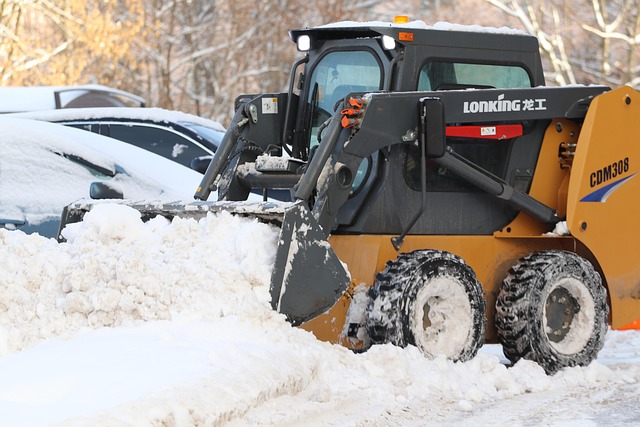
Commercial snow removal services face distinct challenges compared to residential plowing. One of the primary hurdles is scale—commercial properties, such as parking lots and large buildings, demand equipment and strategies tailored to handle extensive areas efficiently. This necessitates specialized machinery like large, heavy-duty trucks and snow blowers capable of clearing significant amounts of snow quickly.
Furthermore, commercial snow removal must consider safety and traffic flow. Clear paths for emergency vehicles and continuous access for businesses are crucial. Effective strategies involve careful planning, regular maintenance of equipment, and strategic salting or deicing to prevent icy conditions that could pose risks to pedestrians and vehicles.
Investing in Reliable Equipment and Technology

Investing in reliable equipment and technology is a cornerstone for any successful commercial snow removal service. Modern snow plows, powered by robust engines and advanced hydraulics, ensure efficient clearing with minimal downtime. GPS tracking, automated navigation systems, and smart sensors allow for precise plowing routes, reducing waste and optimizing labor. These technological advancements not only enhance productivity but also contribute to cost savings and superior customer satisfaction.
Moreover, incorporating innovative solutions like snow melt systems or eco-friendly de-icing products can set a business apart. Upgrading equipment regularly and staying informed about industry trends ensure that a commercial snow removal service remains competitive and prepares for varying weather conditions year-round. Such strategic investments are key to providing timely, effective, and safe clearing services during the winter months.
Implementing Efficient Route Planning and Optimization Techniques

Implementing efficient route planning and optimization techniques is a game-changer for any commercial snow removal service. By leveraging advanced technologies like GPS tracking and machine learning algorithms, snow plowing operations can significantly reduce time spent on each job site. These tools enable real-time data analysis, allowing managers to create optimized routes that minimize travel distances and maximize productivity.
Optimized route planning also considers traffic patterns and weather forecasts, ensuring that plows operate during the least congested times and are prepared for changing conditions. This proactive approach leads to faster response times, reduced fuel consumption, and happier customers. Additionally, efficient route management frees up resources, enabling the commercial snow removal service to take on more projects and better serve their client base.
Ensuring Safe and Skilled Operating Practices

A commercial snow removal service must prioritize safety as the top priority when operating their equipment. This involves ensuring that all operators are well-trained and certified to handle heavy machinery, especially during adverse weather conditions. Regular safety inspections of vehicles and equipment are crucial to identify and rectify potential hazards before they cause accidents. Following established safety protocols, such as wearing reflective clothing and using proper signaling, can significantly reduce risks for both workers and other road users.
Skilled operating practices are equally vital for efficient commercial snow plowing. Operators should be adept at navigating challenging terrains and managing different types of snow accumulation. This includes knowing how to effectively use plows, salt spreaders, and other deicing equipment to clear roads swiftly and safely. Continuous training sessions and staying updated with industry best practices can help maintain high standards of operation, ensuring a well-maintained and safe environment for everyone involved.
Building a Strong Customer Service Foundation for Snow Removal Operations

A robust customer service foundation is pivotal for successful commercial snow removal operations. It involves establishing clear communication channels and responding promptly to client inquiries and requests. A friendly, professional demeanor on the part of personnel can significantly enhance customer satisfaction levels. Consider implementing a customer relationship management (CRM) system to efficiently track interactions, manage schedules, and store important client details, ensuring a personalized service that fosters loyalty.
Furthermore, offering proactive communication regarding snow removal plans and updates can set your commercial snow removal service apart. Regularly informing clients about potential delays or changes in routes demonstrates reliability and consideration for their operations. Building this foundation of strong customer service not only boosts retention but also attracts new businesses seeking efficient and dependable snow management solutions.